When animal advocacy groups talk about ending the “puppy mill pipeline,” commercial breeders should pay attention to what that means in practice. Their efforts are not limited to asking USDA to inspect kennels — they also seek to change where puppies can be sold, what sellers must disclose, and how state officials enforce consumer laws. That affects breeders who raise dogs for a living and families who want the freedom to choose the dog that fits their home.
When animal advocacy groups talk about ending the “puppy mill pipeline,” commercial breeders should pay attention to what that means in practice. Their efforts are not limited to asking USDA to inspect kennels. They also seek to change where puppies can be sold, what sellers must disclose, and how state officials enforce consumer laws.
That affects two groups whose interests are often left out of the same conversation: breeders who care for and raise dogs for a living, and families who want the freedom to choose the dog that fits their home.
The Impact on Commercial Breeders. In an August 5 article, Humane World for Animals said it supports enforcement of laws that end puppy sales in pet stores. The group described its work with law enforcement agencies and state attorneys general. It also said buyers should be able to work directly with breeders it considers responsible.
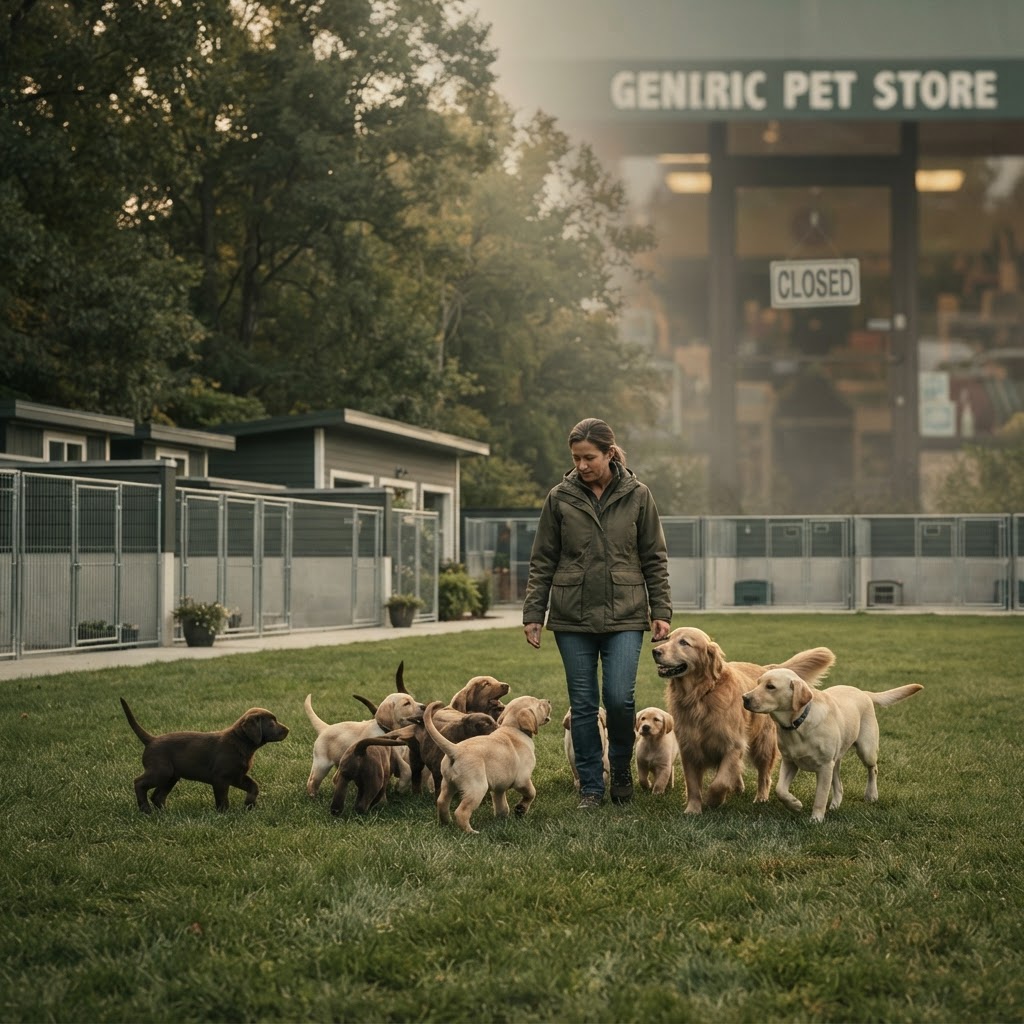
That distinction matters. A ban on pet-store puppy sales is not necessarily a ban on breeding dogs. But it can close a market that some commercial breeders depend on. New York, for example, no longer permits pet stores and brokers to sell dogs, cats, or rabbits under its Puppy Mill Pipeline Act. Breeders who once supplied that market must find another lawful way to sell, reduce production, or leave that market.
The financial effect will vary. A breeder who already sells directly to families may see little change from a pet-store ban. A breeder whose business depends on supplying stores may face a substantial loss of customers and the cost of building a different sales process. The available sources do not establish how many responsible breeders have been affected or the average dollar loss per breeder. Those figures should not be guessed.
Scrutiny can also follow a puppy beyond the kennel. On July 29, the Texas attorney general announced an investigation into an online puppy seller’s statements about breeder sources, veterinary screening, and a health guarantee. The investigation is not a finding of wrongdoing. It shows why breeders and their retail partners need accurate records and advertising claims they can support.
Humane World estimates that commercial breeding operations produce approximately 550,000 fewer puppies annually than in 2020. That is the group’s estimate, not an independently verified count presented in its article. Even without accepting the figure as proven, its message is plain: the group wants to reduce the market for puppies sold through pet stores and continue pressing officials to enforce those restrictions.
The Impact on People Who Want to Buy a Dog. Families do not all want the same kind of dog. A person may need a particular size, coat type, energy level, or working ability. Another may have experience with a breed and want one again. People should be able to weigh adoption and purchase, ask questions, and choose the dog they believe is right for them.
A pet-store sales ban removes one way of making that choice. A buyer who would have visited a local store may instead need to locate a breeder, arrange a visit or conversation, wait for a litter, and work out transportation. Those steps may be manageable for some families and difficult for others. The buyer can still have a choice, but the choices available through a nearby store change.
Advocates argue that removing pet-store sales makes it harder for poor breeding practices to hide behind an appealing storefront. They also want buyers to know more about a puppy’s origin and care. Those are serious consumer concerns. A family deserves truthful information about the breeder, the puppy’s health, and any guarantee offered.
At the same time, a rule that eliminates a sales channel affects responsible breeders and buyers along with anyone it was intended to stop. It does not follow that every commercial breeder supplies poor care, or that every family can find the dog it wants through adoption. Nor does a USDA license alone answer every question a buyer should ask about health, breeding practices, and the individual puppy.
The strongest case a responsible breeder can make is a documented one: healthy animals, veterinary care, accurate records, truthful descriptions, and a willingness to answer a buyer’s questions.
Both concerns deserve an honest place in this discussion. Animal welfare groups want to prevent suffering and misleading sales. Breeders need a fair way to demonstrate the care they provide and bring their dogs to buyers. Families need reliable information and a meaningful opportunity to choose.
The strongest policy discussion asks whether a restriction actually protects dogs and consumers, while measuring what it costs responsible breeders and the families who want their puppies.
Key Takeaway. Pet-store sales bans and heightened attorney-general scrutiny are reshaping where and how puppies are sold—regardless of whether an individual breeder’s practices are sound. The strongest protection a licensed breeder has is a documented one: accurate records, verifiable veterinary care, and advertising claims that hold up to scrutiny.